Hi, I'm Ethan Carter, a content writer and language enthusiast with a passion for making English simple and easy to understand. I specialize in researching and explaining word meanings, definitions, idioms, slang, abbreviations, and everyday English expressions in a clear, reader-friendly way.
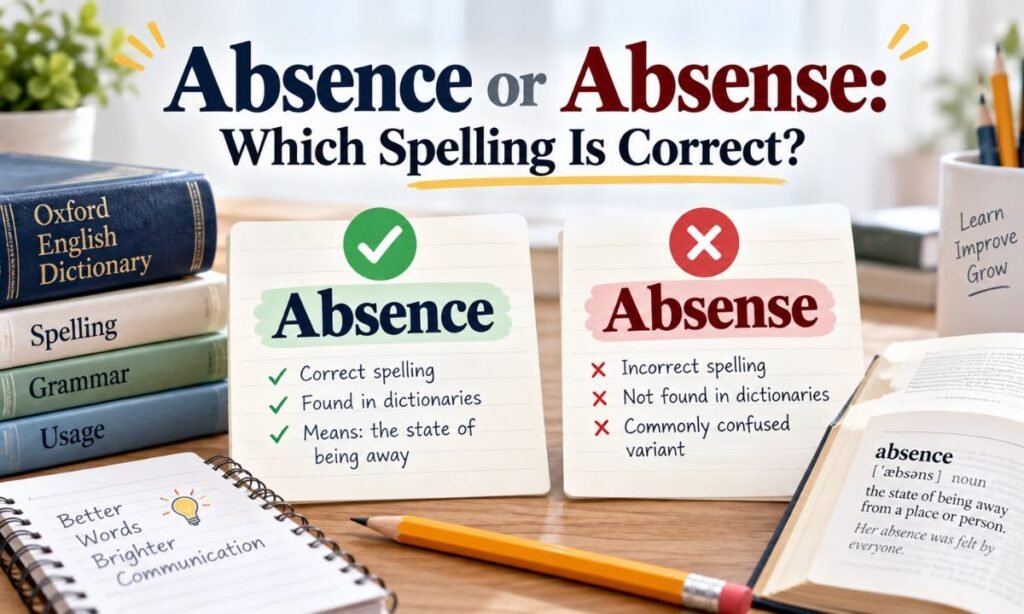
You are typing a note to your manager, a teacher, or a client. You need the word for "not being there," and your fingers hesitate. Is it absence or absense?…
You type a quick message, hit send, and spot the mistake a second later. "I have to much work." Or "Are you coming to?" Nobody is harmed, but it stings…
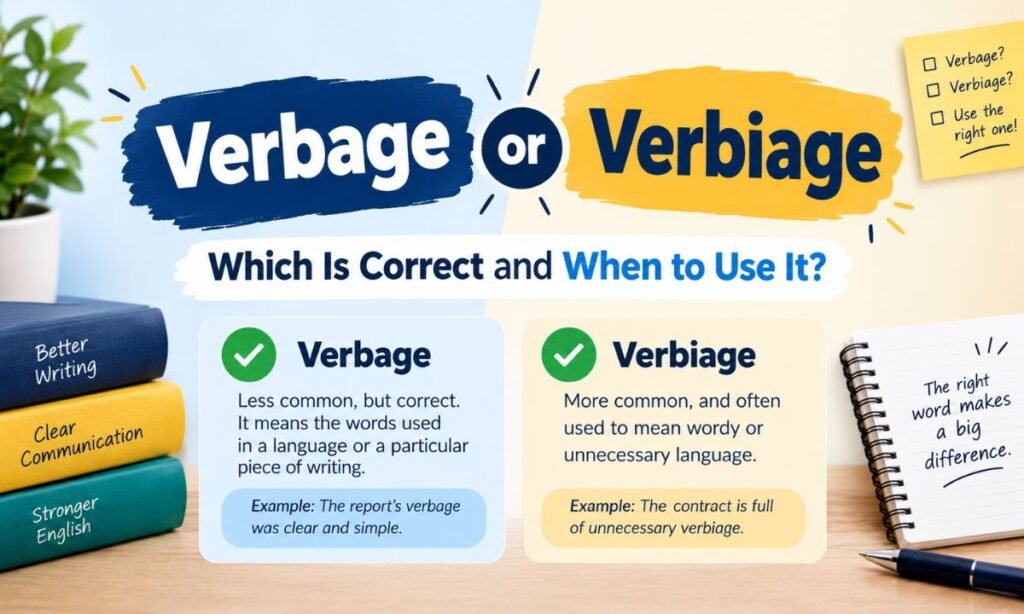
Verbiage is the correct spelling. "Verbage" is a common misspelling that mainstream dictionaries don't list as standard English, so when you're torn between verbage or verbiage, pick the one with…
Thier or their? "Their" is the correct spelling, and "thier" is always a typo. There isn't a single sentence where the second version works. I checked dictionaries, style guides, and…
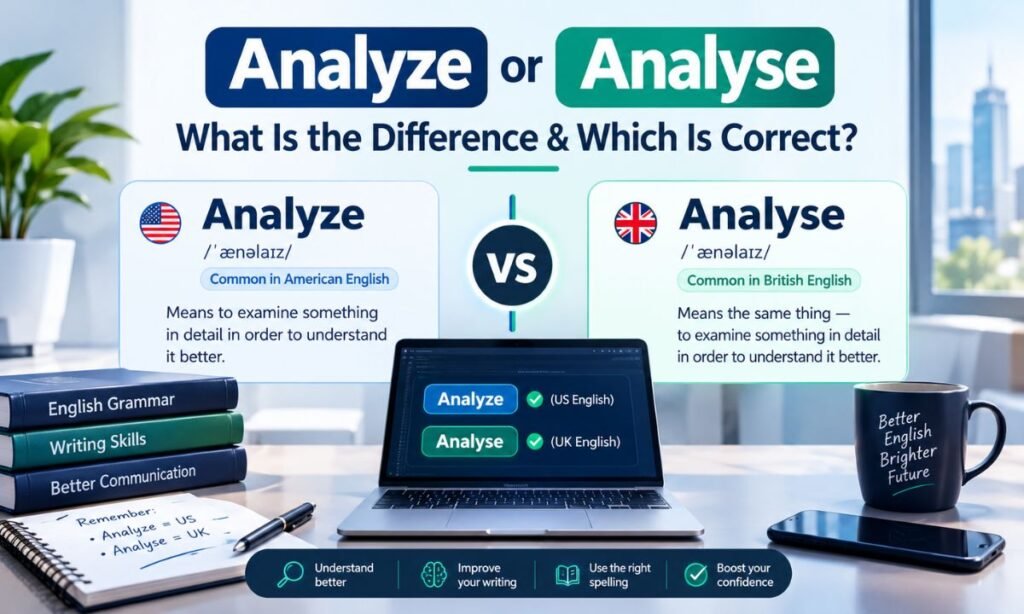
Analyze is the American spelling, and analyse is the British one. Both mean exactly the same thing, so neither is wrong. The real choice depends on who's reading your work.…
This guide gives you a clear list of science words starting with J, sorted by how common they are, which branch of science they belong to, and which grade level…
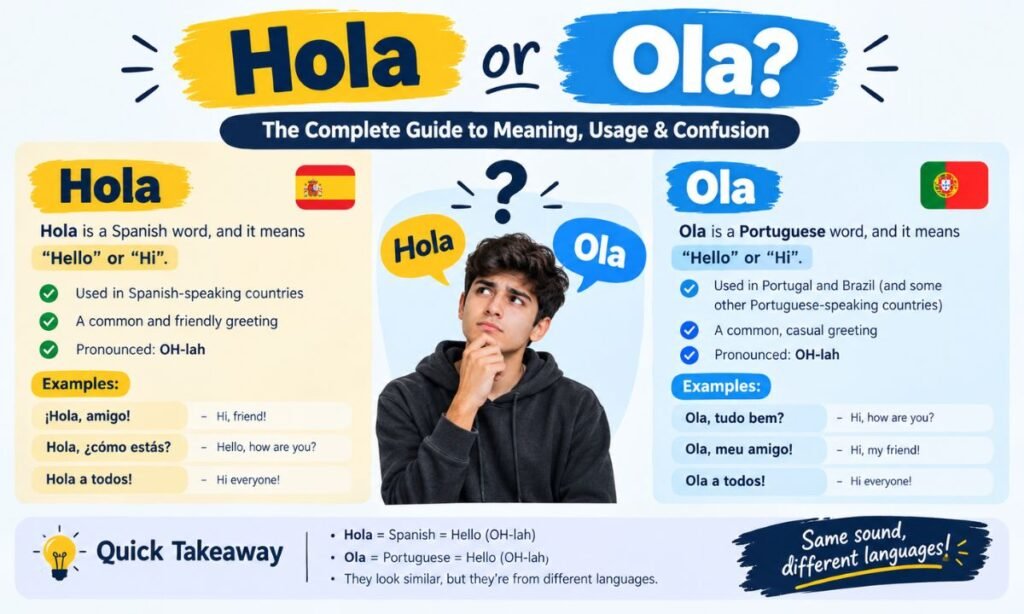
You've probably typed it a hundred times without thinking twice: "Hola, how are you?" But have you ever stopped mid-sentence and wondered if you dropped a letter? That one missing…
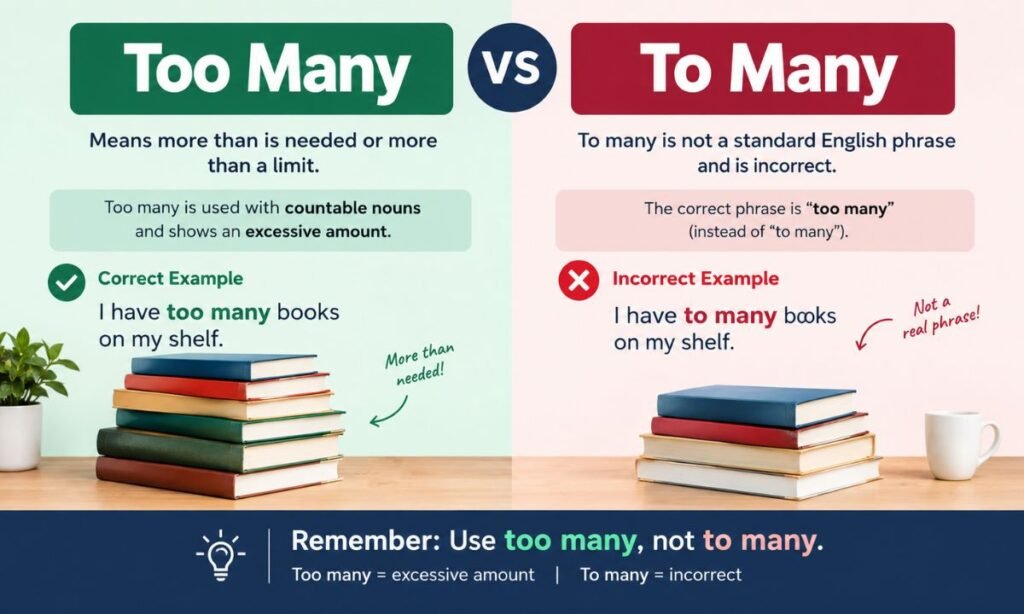
You are typing a quick message and your fingers stall. Is it "too many emails" or "to many emails"? The two spellings sound identical, so your ear is no help.…
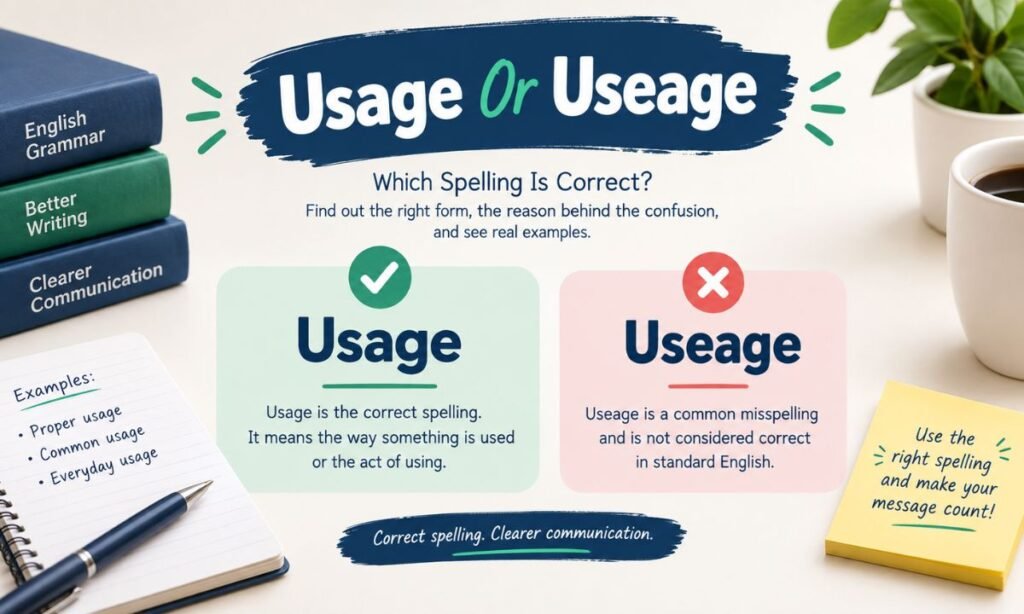
Usage is the correct spelling. Useage is a misspelling, and no major dictionary lists it as a real word. In a report, an email or an essay, write "usage" with…
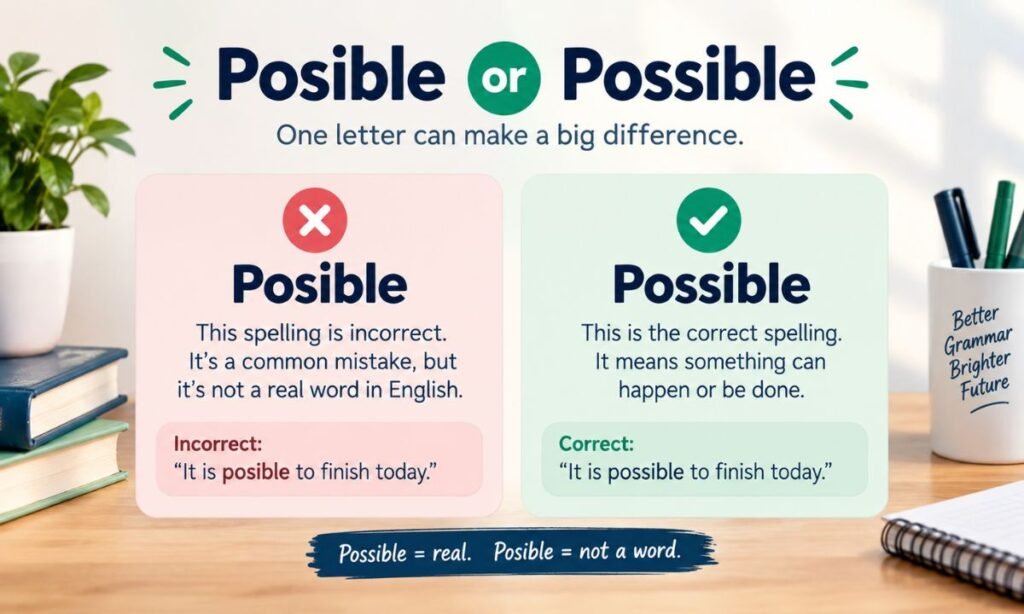
Possible is the correct spelling in English. Posible is not an English word. It is the Spanish spelling (and a common Filipino/Tagalog one) of the same idea, and it shows…